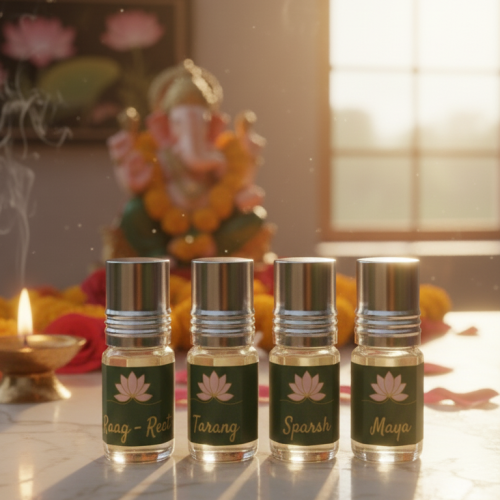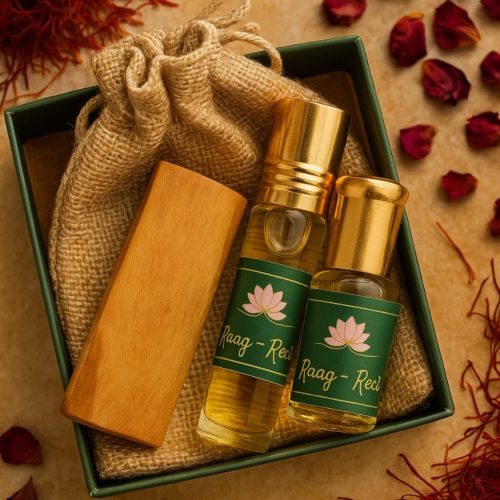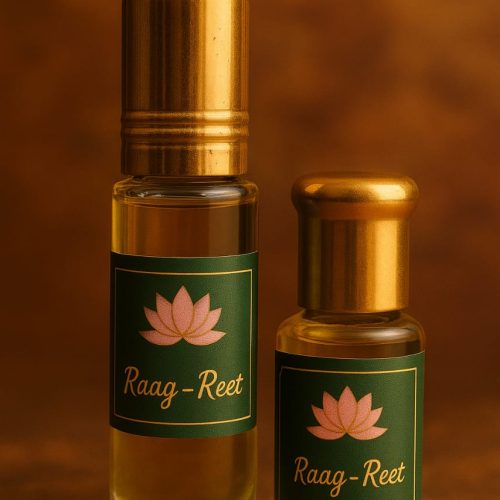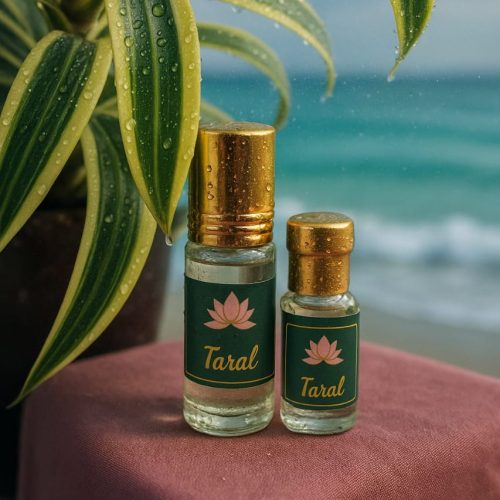
Ittar, also known as ittar or itar, comes from the Persian and Arabic word itr, meaning ‘fragrance’ or ‘essence.’ Artisans create it through a centuries-old hydro distillation process called Deg Bhapka, where they distill botanicals such as flowers, herbs, spices, or woods into a natural base, most often sandalwood oil. Unlike modern alcohol-based perfumes, attar contains no synthetic chemicals. Its oil base makes it long-lasting and gentle on the skin. Originating in the Indian subcontinent and closely tied to Persian and Mughal traditions, attar holds value not only for its fragrance but also for its cultural, spiritual, and therapeutic significance.
People use it in religious rituals, meditation practices, and Ayurveda for its calming and healing properties. Each attar offers a unique scent profile, from the delicate floral notes of rose and jasmine to the deep, earthy tones of oud, musk, or amber. Making ittar a symbol of purity, tradition, and craftsmanship.
How is attar made: The process
Artisans begin the process of creating attar with the Deg, a large copper still that serves as the main boiler. They place freshly harvested botanicals such as rose petals, jasmine blossoms, vetiver roots, saffron, or herbs inside the deg along with water. They then seal the deg tightly with a mixture of clay called multani mitti and cloth to ensure no steam escapes. A long bamboo tube called the Chonga connects the deg to the Bhapka, the receiver vessel. Craftsmen make the Bhapka from copper and partially submerge it in water to keep it cool during distillation.
Once they seal the deg, artisans light a fire fueled by wood, cow dung cakes, or coal under the boiler and regulate the heat of the Bhatti carefully. As the water heats, steam carries the vaporous oils of the botanicals through the Chonga into the Bhapka, where the vapors condense back into liquid form. Unlike modern distillation where condensed oils separate from water, attar-making directs this condensate into a base of sandalwood oil or other oils if sandalwood is scarce. Sandalwood’s unique molecular structure absorbs, preserves, and amplifies the aromatic molecules of the botanicals over time, creating a rich and natural perfume oil.
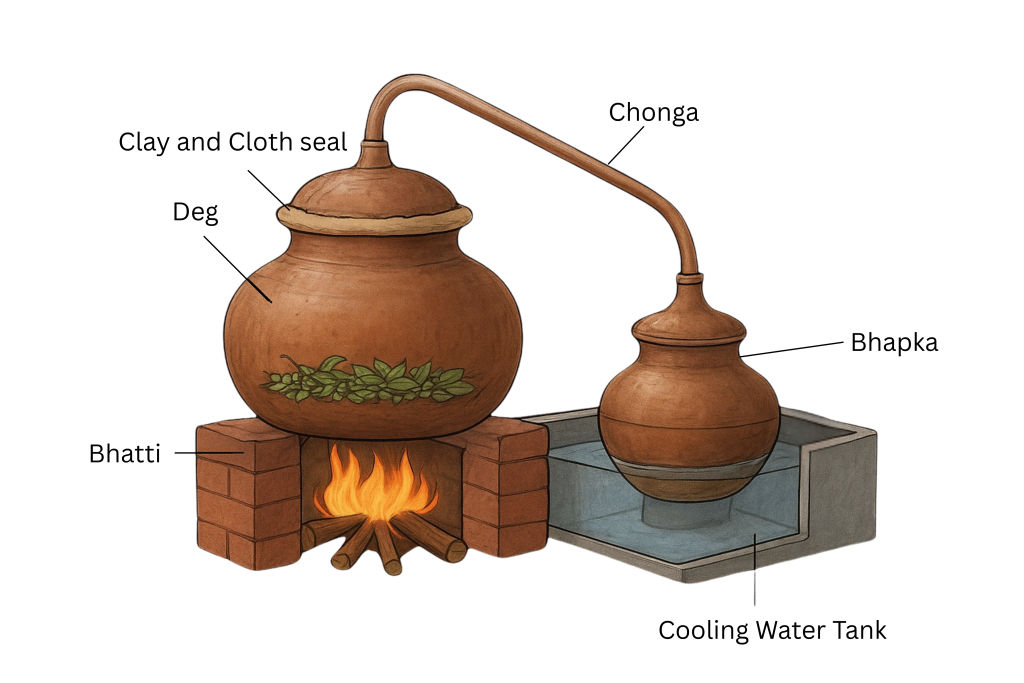
During this process, the artisans regulate heat carefully where too much fire can burn the delicate flowers, while too little won’t release their fragrance. Cooling water around the Bhapka is also replaced regularly to maintain condensation. The distillation can last anywhere between 6–12 hours a day and often continues for days, depending on the raw material used. For example, roses might be distilled for a week, while vetiver roots require longer.
After distillation, artisans set aside the infused sandalwood oil to age. They allow some attars to rest for a few months, while they age premium ones for years to deepen their character and complexity. This process creates the final product, a concentrated, all-natural perfume oil crafted through a balance of fire, water, earth, and time, just as artisans have done for hundreds of years.
Different categories of attars:
Traditional Indian perfumery often categorizes natural distillations into four main types, depending on the concentration of the aromatic essence, the raw material used, and whether a carrier oil like sandalwood is present. The four forms, including ruh, attar, jal and choya are born out of the same traditional deg-bhapka distillation method, what changes is how the distilled essence is collected and preserved, giving each type a different character and use.
Ruhs are the most concentrated and purest form of natural distillates. A ruh is essentially the direct distillation of a raw material, such as a flower, herb, or root, without blending it into a carrier like sandalwood oil. For example, Ruh Gulab is made from fresh rose petals, Ruh Khus comes from vetiver roots, and Ruh Kewda is distilled from kewda flowers. Each one captures the unadulterated soul of its raw material, making ruhs extremely rare and valuable. Because of their intensity and authenticity, they are often used sparingly, either in perfumery, in traditional medicine, or even during spiritual rituals.
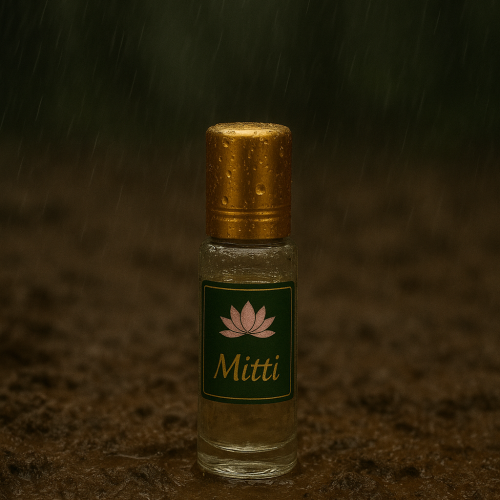
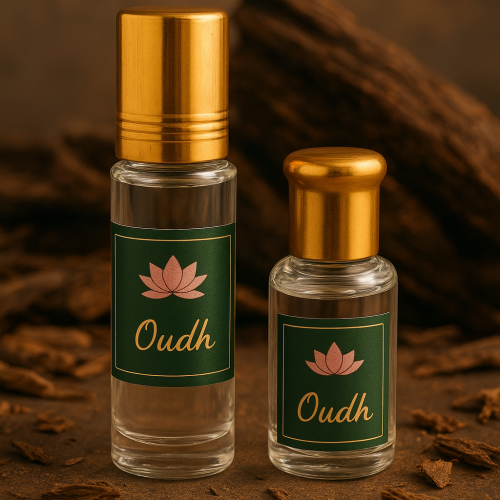
Attar is the classic form of natural perfume oil and also the most recognized. In the deg-bhapka process, steam carries the aromatic compounds of flowers, woods, or herbs into a base of sandalwood oil. Lets take for instance, Gulab Attar blends roses with sandalwood, Mitti Attar captures the earthy aroma of baked clay after the first rain, and Shamama Attar is a complex mixture of multiple herbs and spices. The sandalwood not only absorbs but also preserves the fragrance, ensuring it lasts on the skin for hours. Many attars, such as Oudh Attar, are aged for years, developing rich and layered profiles that set them apart from modern alcohol-based perfumes.
Jal, literally meaning “water,” refers to the aromatic water left behind after the hydro-distillation process. The most famous is Gulab Jal (rose water), which is widely used in everything from desserts like gulab jamun to cooling facial sprays. Other examples include Kewda Jal, used in traditional drinks like sharbat, and Mogra Jal, sometimes applied in religious ceremonies. Though less concentrated, jals carry a light freshness that makes them versatile for culinary, cosmetic, and spiritual use.
Choya is a unique distillate that artisans create not from fresh flowers but from dry materials, which they gently roast in earthenware before distillation. For example, they make Choya Nakh by roasting seashells, which produces a mineral, salty, leathery aroma. They derive Choya Ral from benzoin resin, which yields a sweet, balsamic fragrance. They prepare Choya Lobaan from frankincense, which gives smoky and resinous notes. Perfumers use these Choyas to add warmth, depth, and complexity to blends and to ground compositions with their earthy, smoky character.
The Multiple Uses Of Attar
While thinking of attar, our minds often jump straight to perfumes and luxury oils. And yes, in the world of perfumery and cosmetics, attars are treasured for their natural depth and longevity. They’re infused into soaps, creams, and even shampoos, not just for their fragrance, but also for their skin calming and mood lifting qualities. Aromatherapy, as well, embraces attars, lavender and vetiver to relax, Kewda to energize whereas sandalwood to ground and center. In these spaces, attars are celebrated as both beauty enhancers and holistic healers.
But the journey of attar doesn’t stop with beauty counters. In fact, it sneaks into some of the most unexpected industries. The food and beverage sector often used drops of rose, kewda, and jasmine attar for centuries to flavor biryanis, sweet syrups, and festive drinks like sharbat. And perhaps even more surprising is their role in pan masala, paan, and chewing tobacco, where attars are responsible for that luxurious burst of aroma and taste.
Attars also hold a special place in religious and cultural traditions. In temples, they are used to scent idols, mixed into holy water, or applied by devotees as a sign of purity before prayers. At weddings and festivals, attars are offered as tokens of goodwill, their lingering scent marking moments of joy. Even in daily rituals, a few drops of attar become a way to elevate the ordinary into something sacred.
And then there’s the world of luxury and lifestyle, where Attars have continued to reinvent themselves. Historically, woven mats and curtains in North India were scented with khus attar to cool and freshen homes during sweltering summers. Today, boutique hotels, wellness spas, and candle makers borrow from that heritage, creating unique olfactory experiences that connect tradition with modern indulgence. By scenting rooms, linens, oils, and even bath rituals with attars, they give guests a sensory journey that feels both rooted and rare.
Attar is far more than just a fragrance, it is a living archive of tradition, craftsmanship, and cultural memory. From the ancient deg-bhapka stills of Kannauj to modern shelves where rose water, ruhs, and sandalwood-rich attars find place, the journey of attar tells us how nature and creativity have long collaborated to bottle beauty. Its forms, whether the concentrated purity of ruhs, the oil-based richness of attars, the delicate freshness of jals, or the smoky depth of choyas, show how one process can yield such diverse expressions of scent. To understand attar is to understand not only how fragrance is made, but also how it lingers in memory, heritage, and identity. Each drop is both art and utility, sacred and sensual, old and ever-renewing, a reminder that some traditions never fade, they simply keep unfolding in new ways.